Egypt is home to some of the world’s most incredible archaeological wonders, and four of its most significant sites—Giza, Saqqara, Memphis, and Dahshur—offer a deep dive into the country’s rich history. Each location represents a different era in Egypt’s pyramid-building evolution, making them must-visit destinations for history lovers.
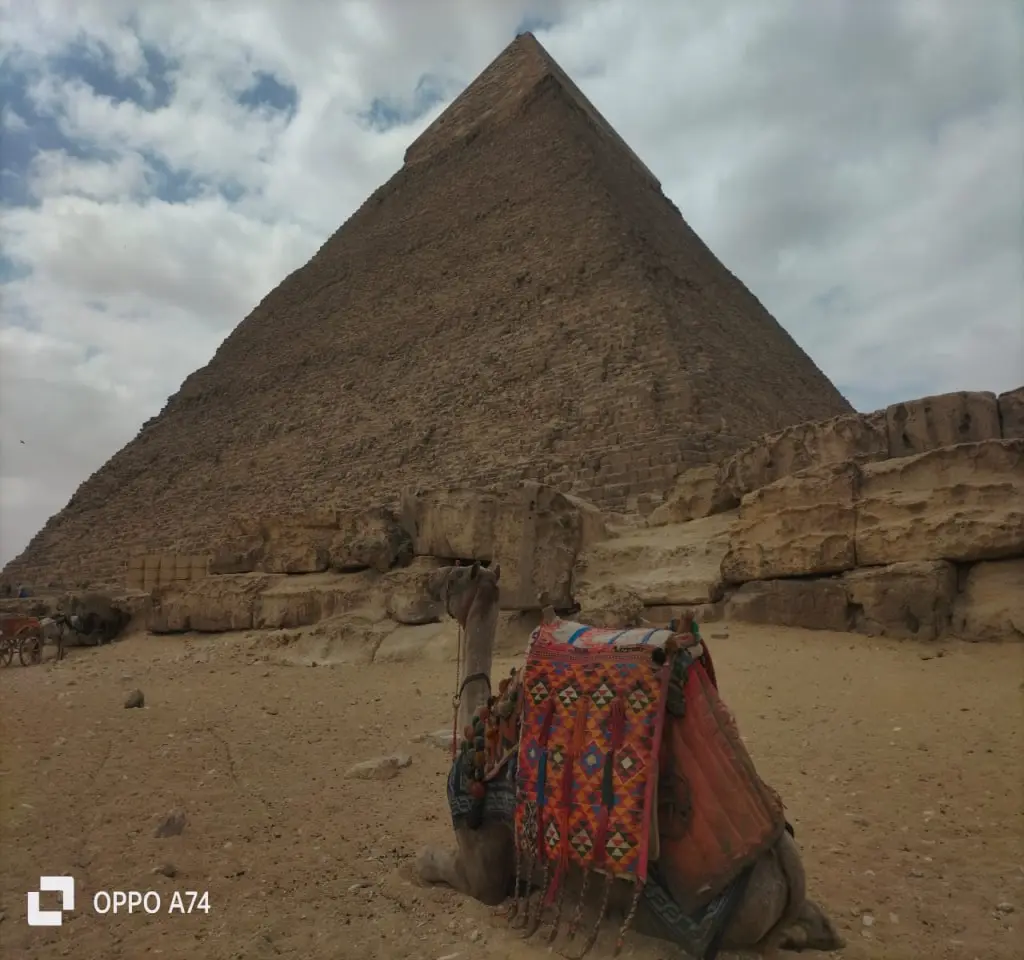
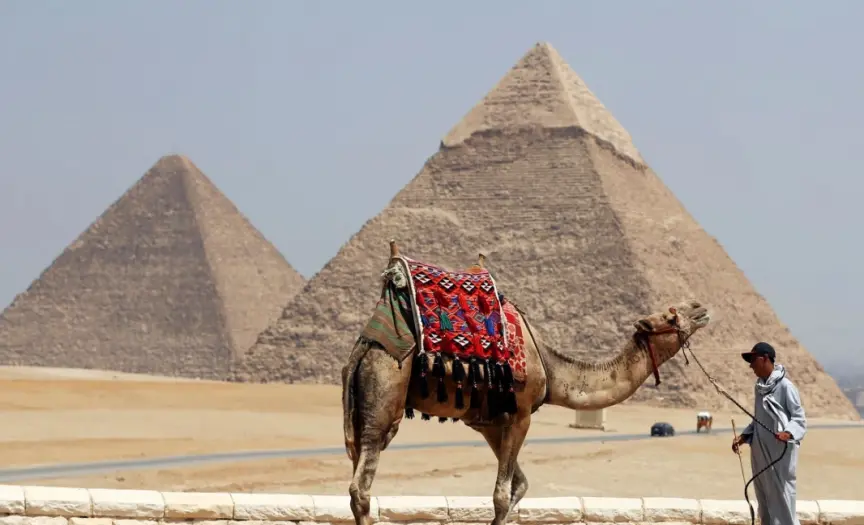
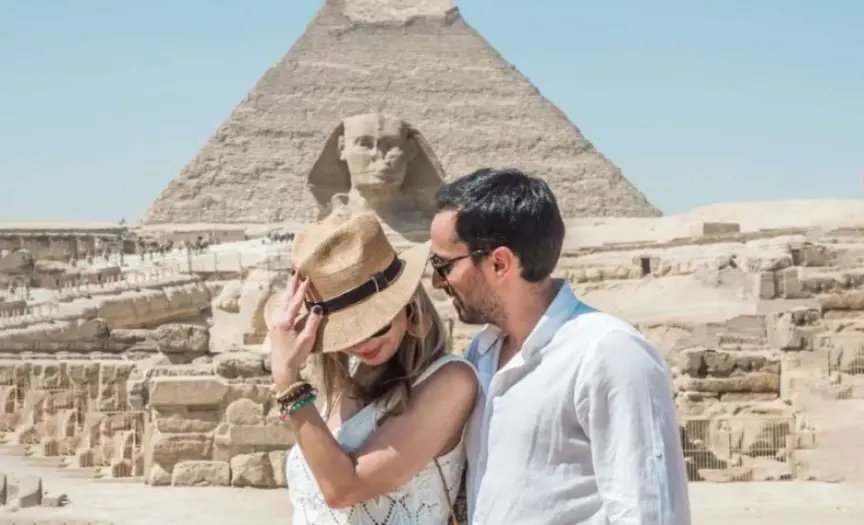
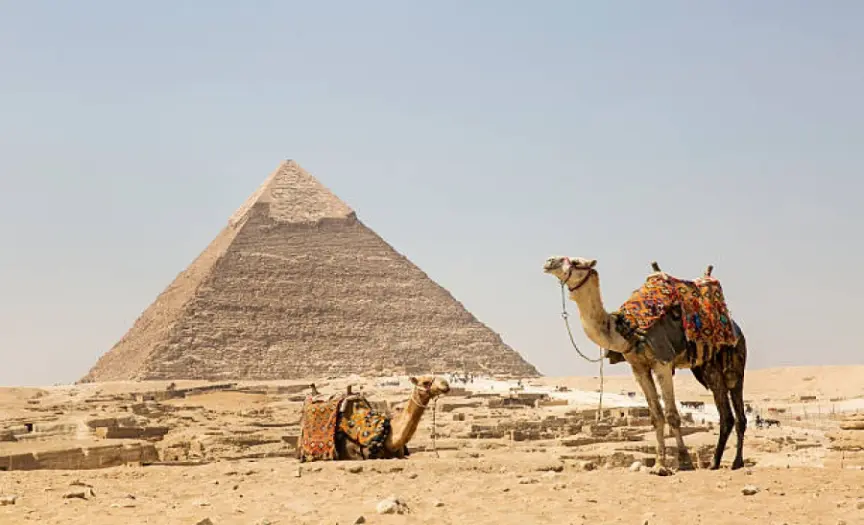
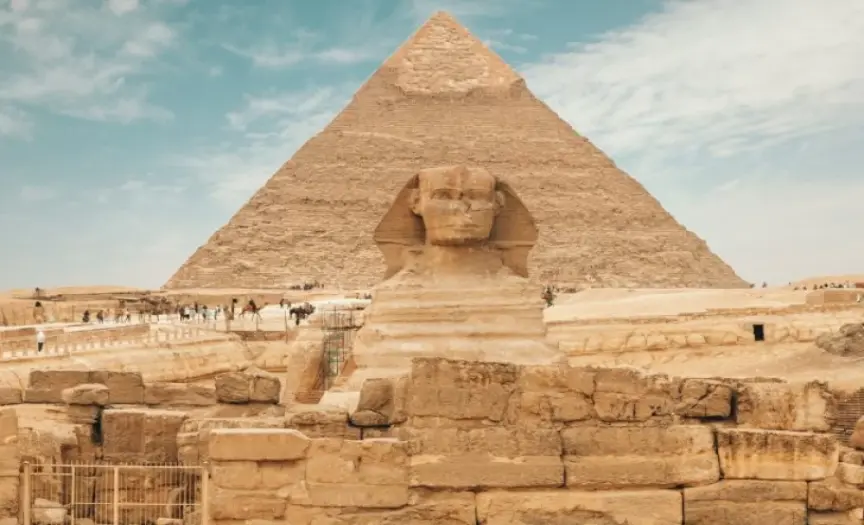
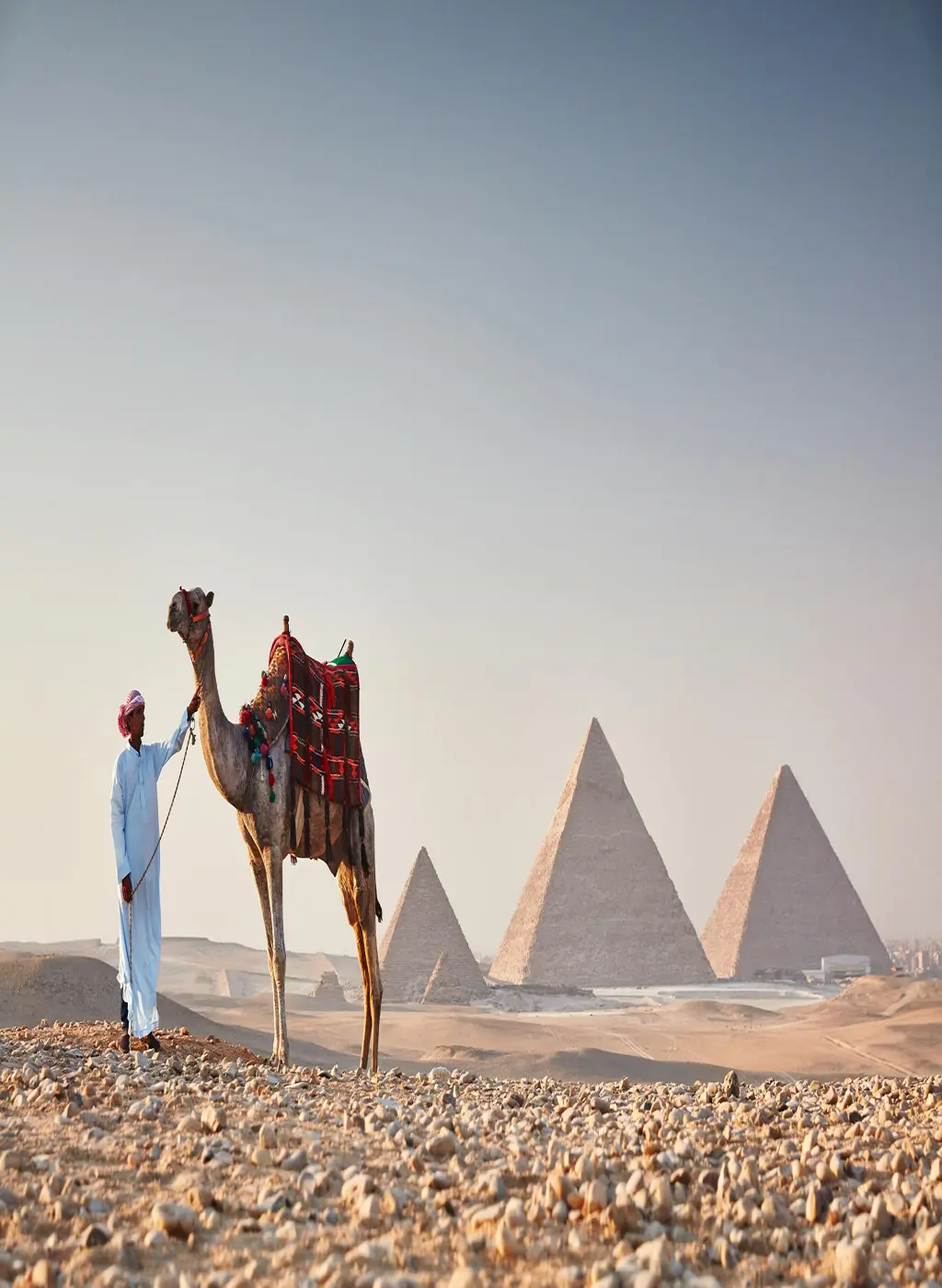
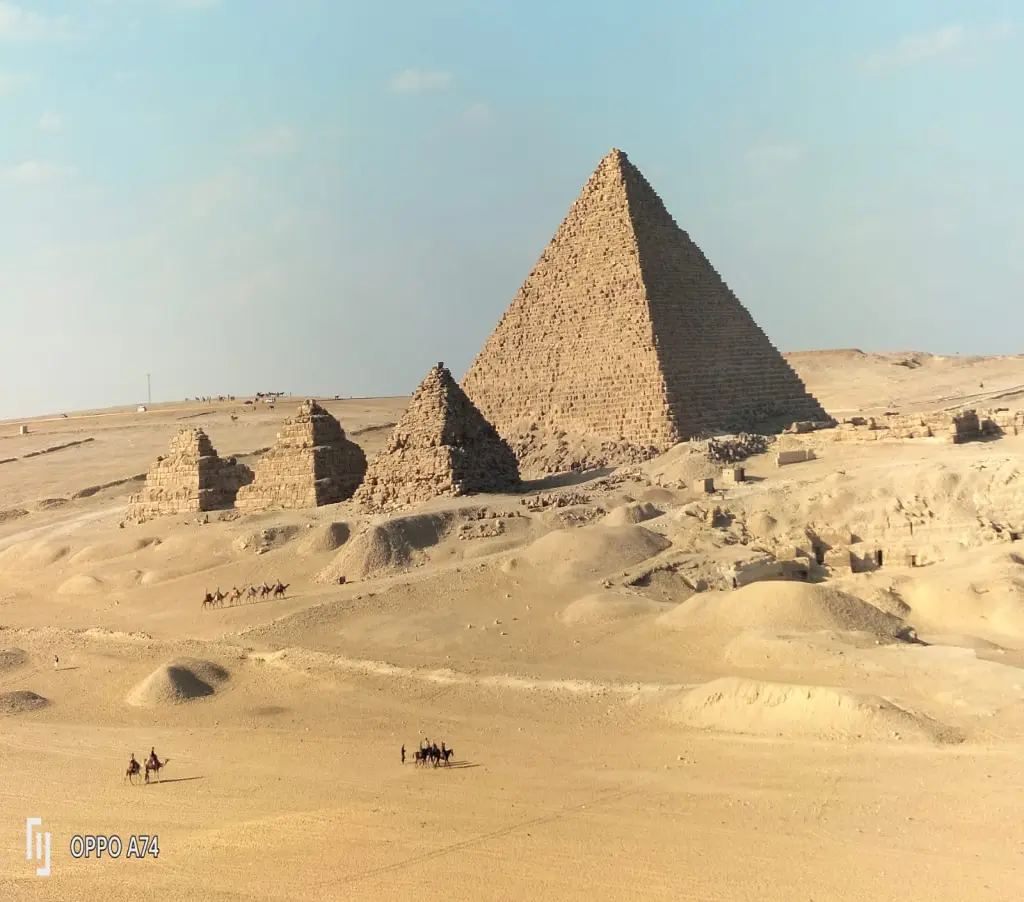
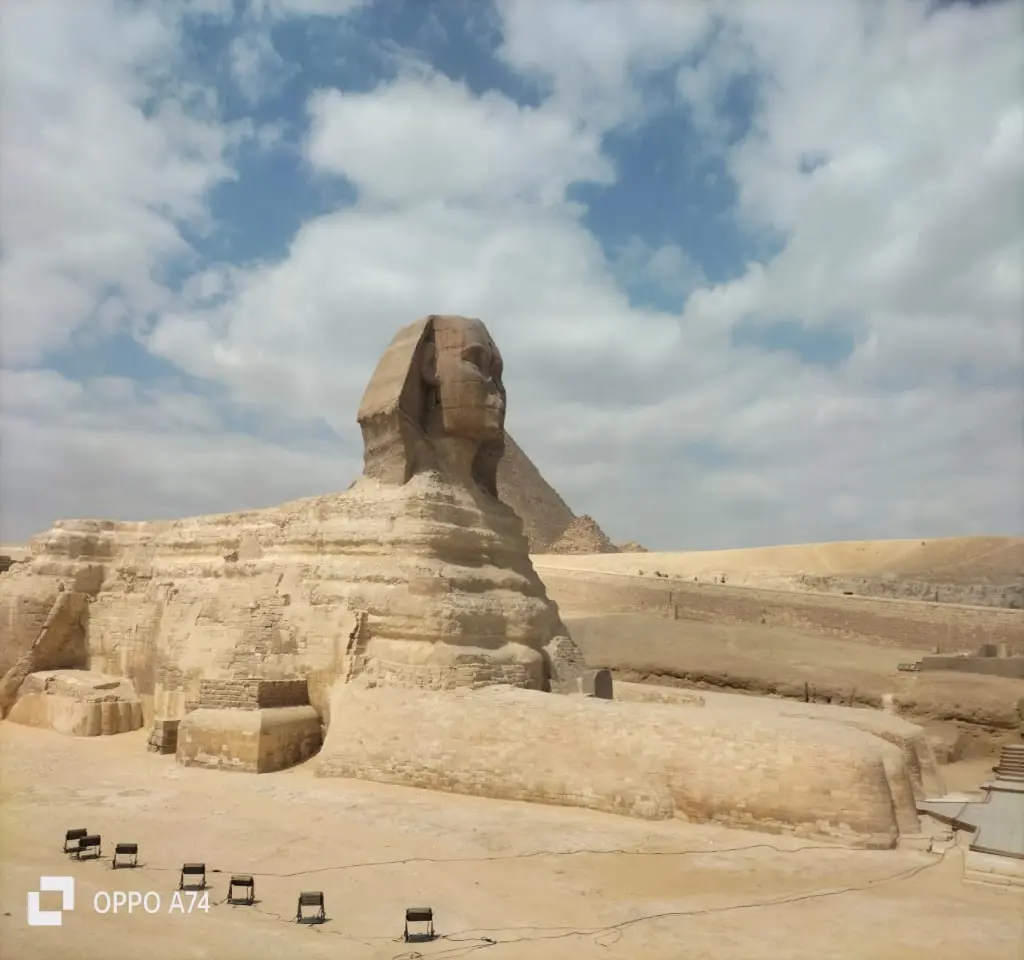
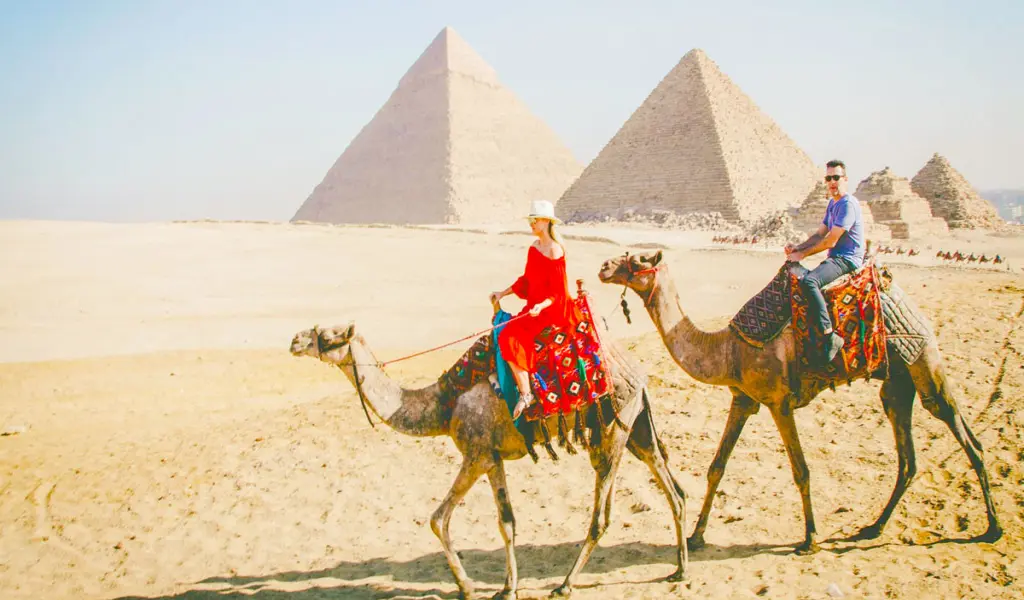
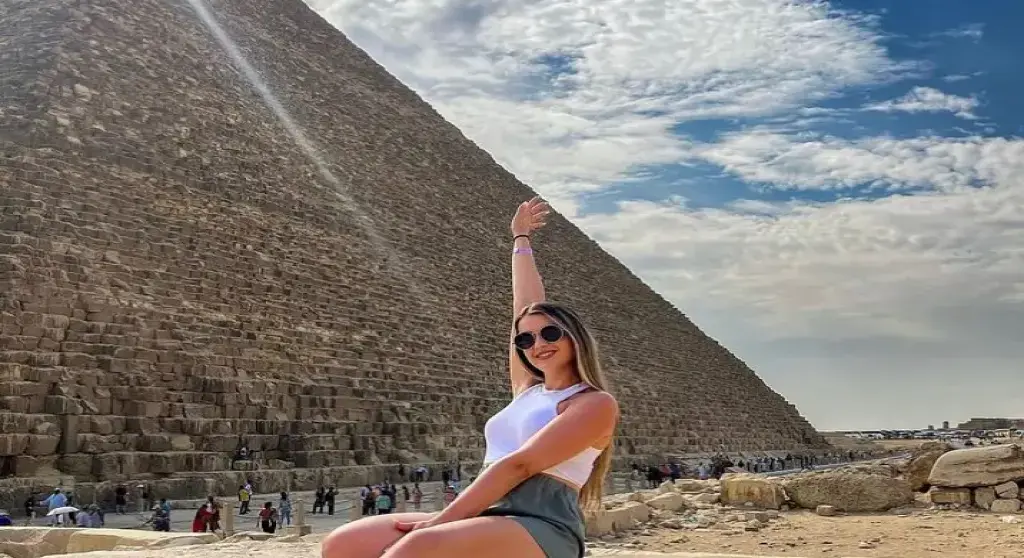
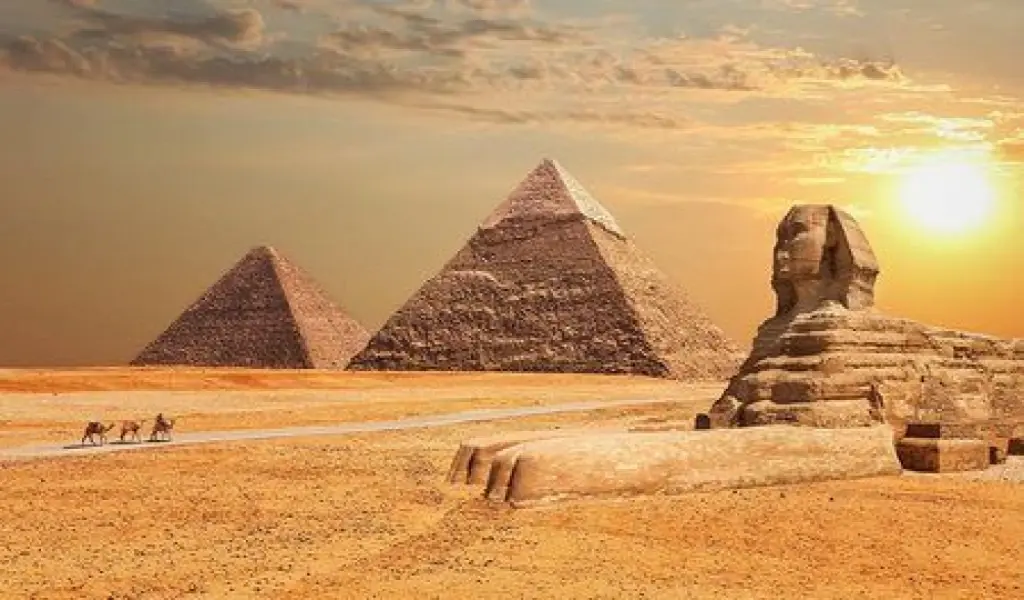
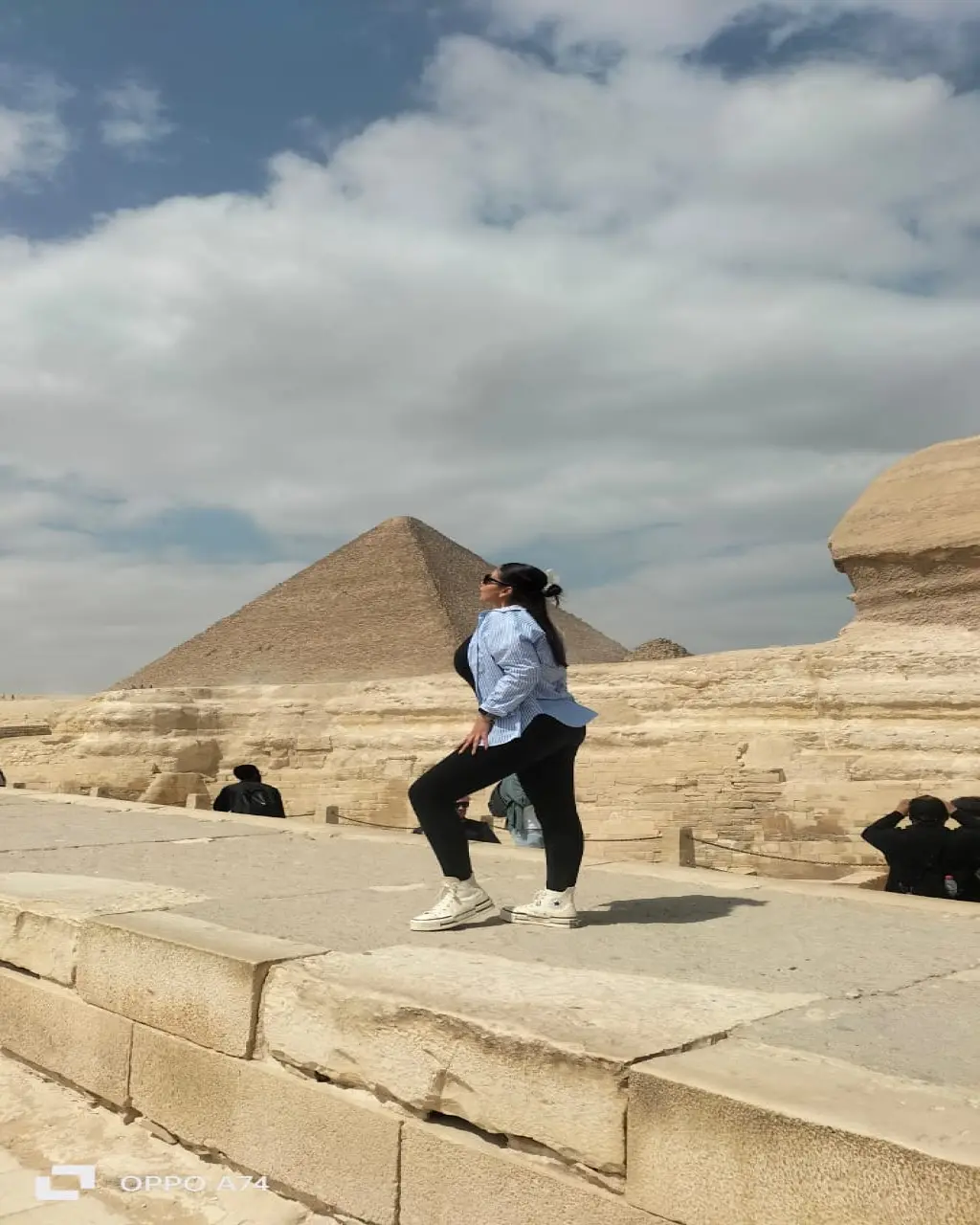
The Giza plateau, set in the vast desert, is the land of the dead. Guarded by the Great Sphinx, it is dominated by the massive pyramids of Khufu, Khafre, and Menkaure. To the south of the Great Sphinx lie the cemetery and the Town of the Pyramid Builders—discover it on Egypt day tours.
The Giza pyramids are remarkable feats of engineering, but why were they constructed?
Built during the 4th dynasty, Giza remained significant through the New Kingdom and the 3rd Intermediate Period. There are many theories about how the pyramids were constructed.
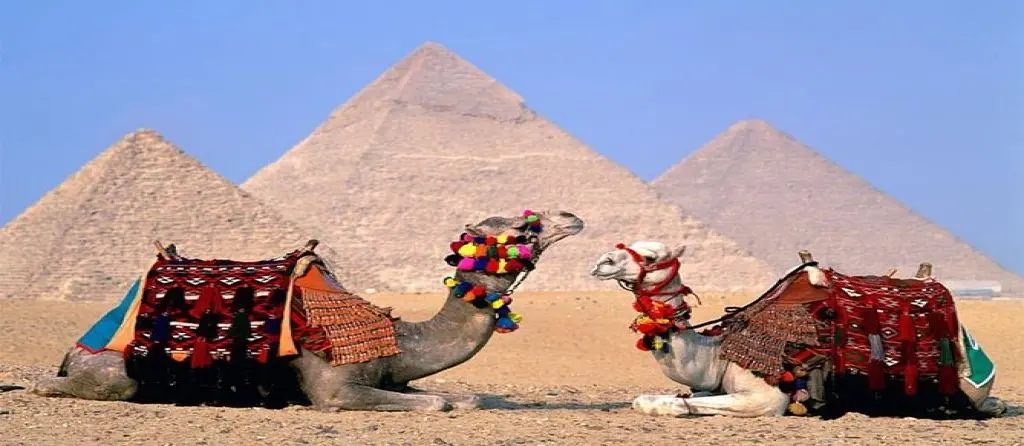
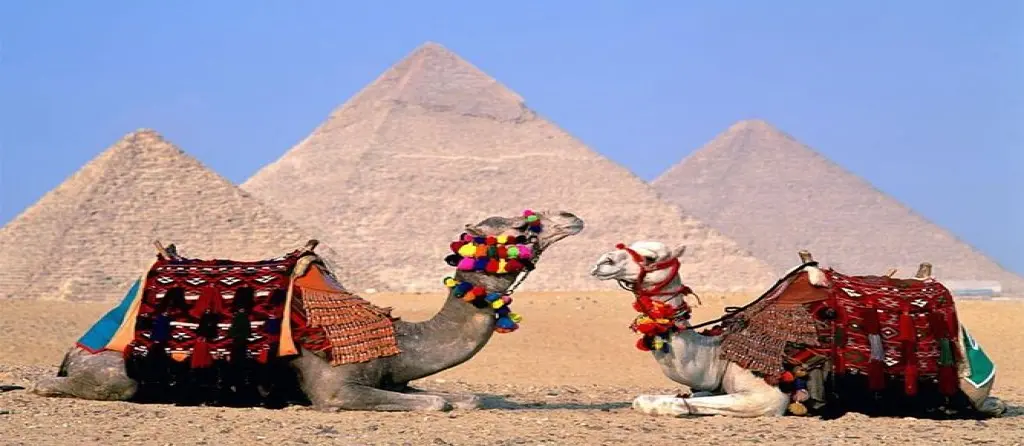
Enhance your experience by riding a camel across the golden sands, taking in breathtaking views of these ancient wonders
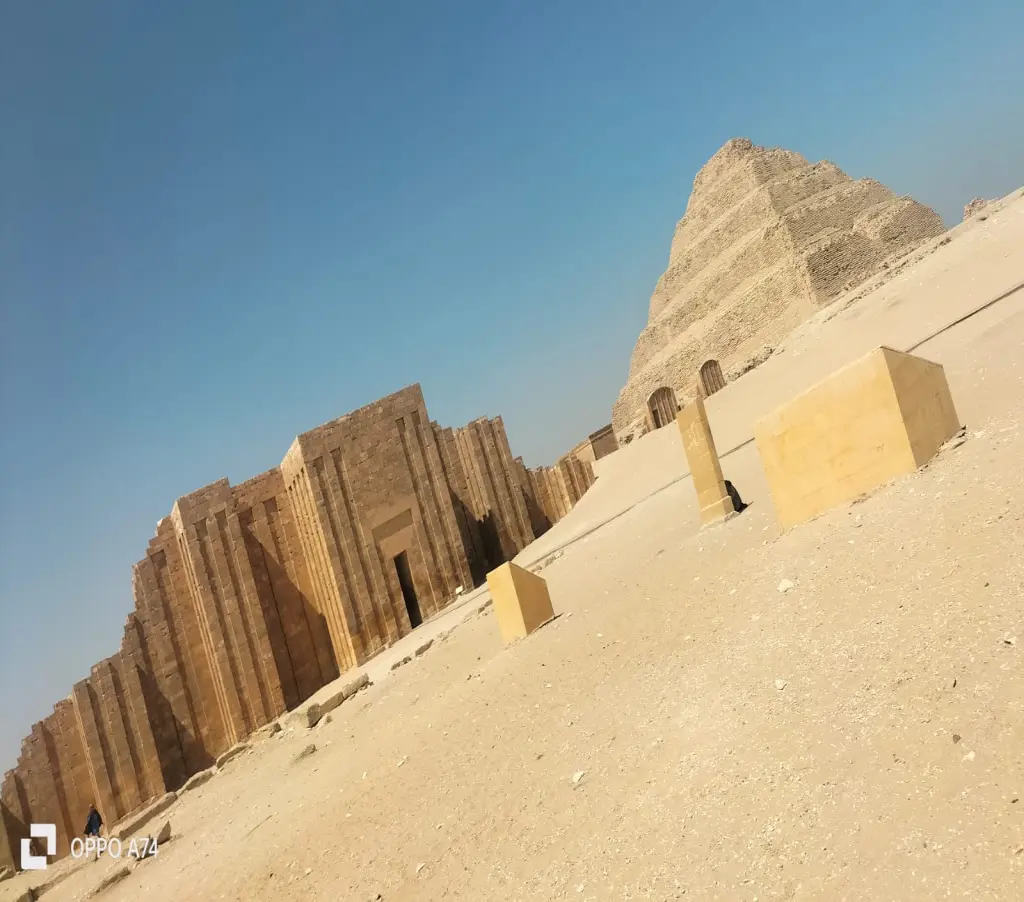
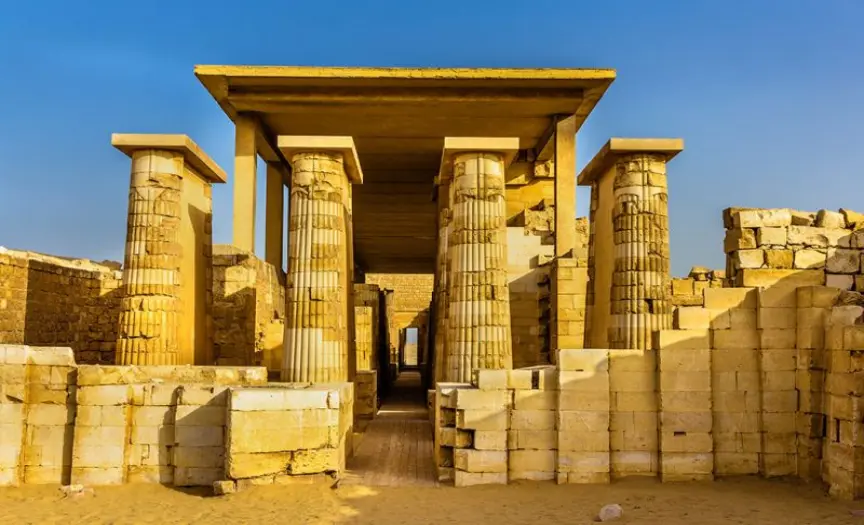
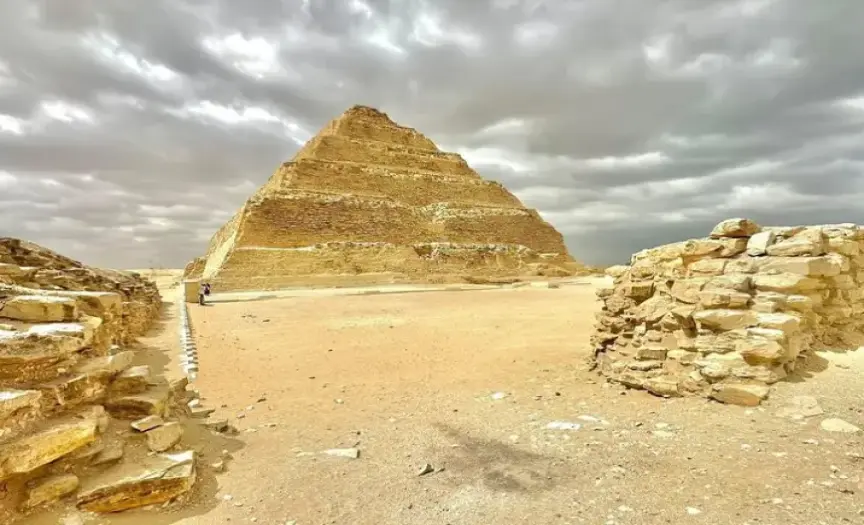
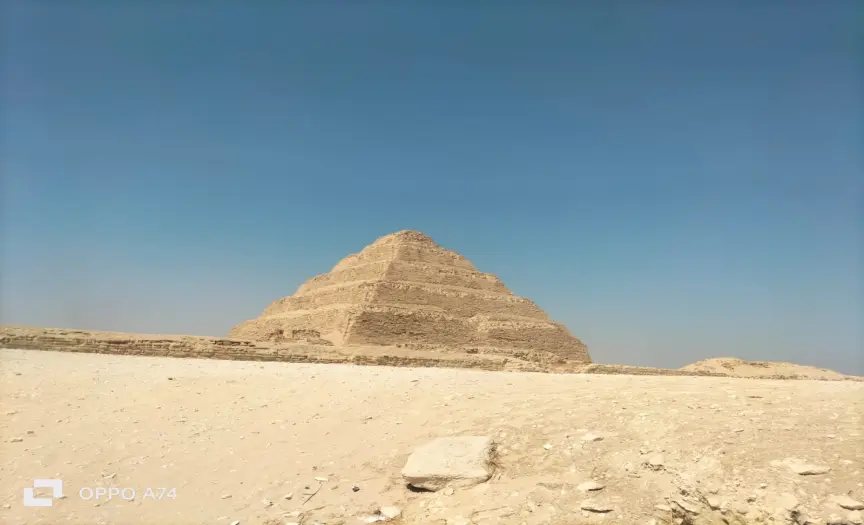
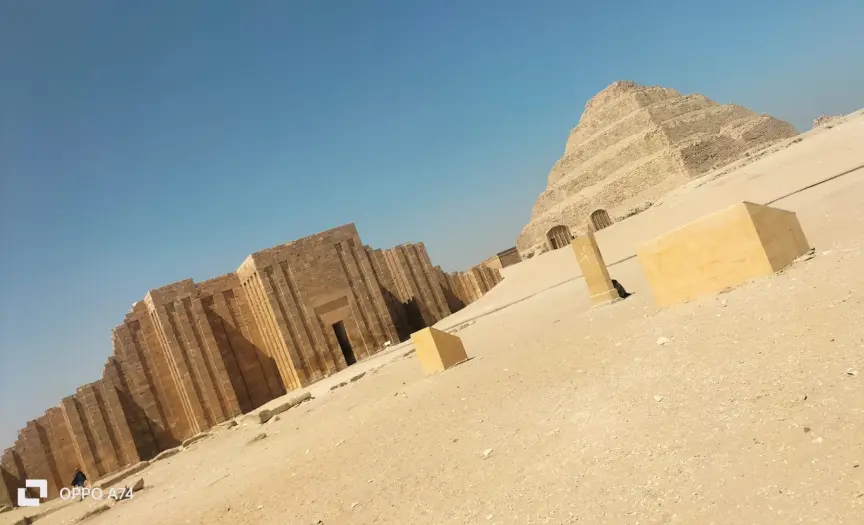
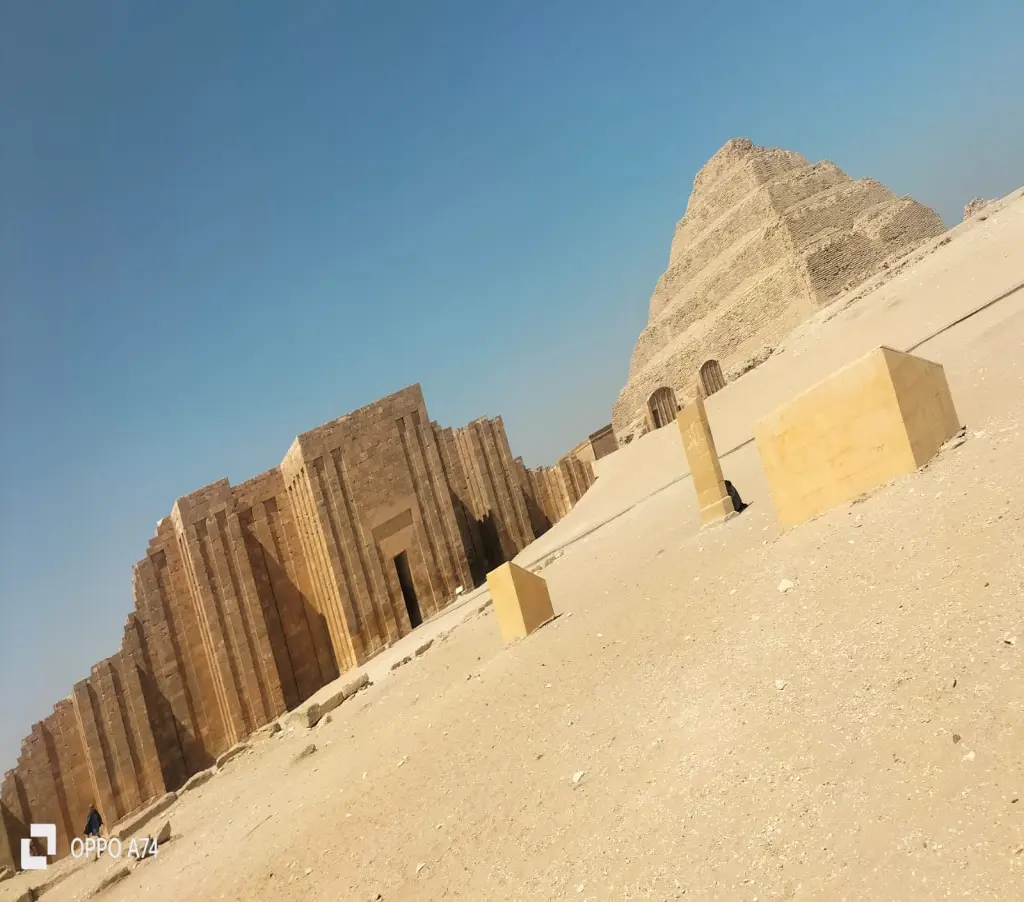
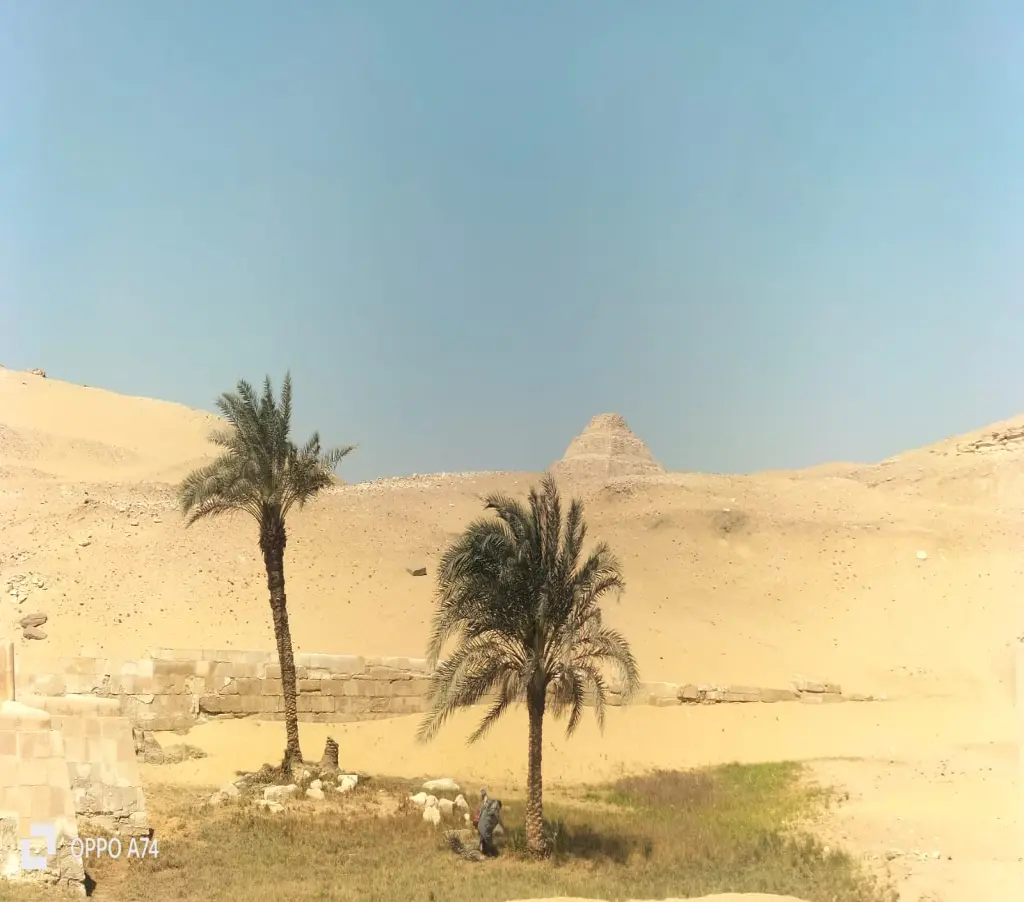
Saqqara lies on the west bank of the Nile. It is a very vast burial ground, was serving as the cemetery of Memphis, the first capital of Egypt. It includes the famous step pyramid of Djoser and some other mastabas.
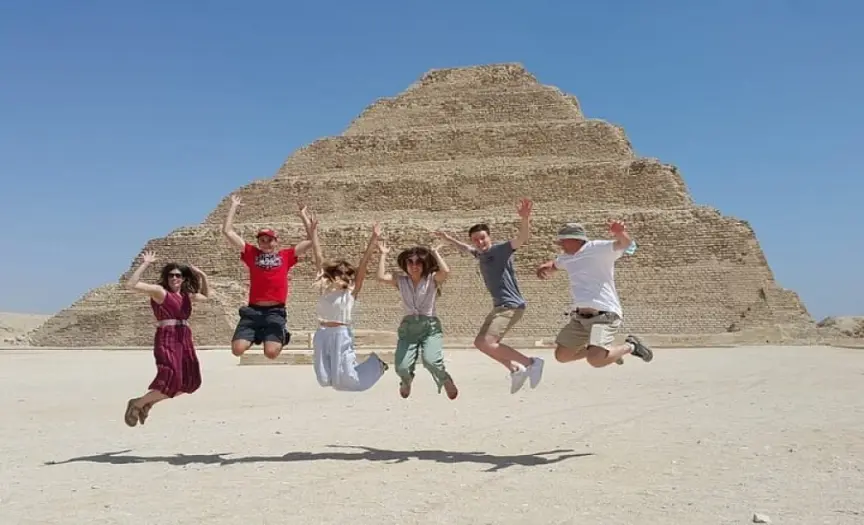
The step pyramid complex is the oldest stone structure in history. Enjoy one day trips in Egypt and enjoy every moment of it. Some pyramids were built at Saqqara by the kings of the 5th and 6th dynasties, such as Userkaf, Unas, Pepi I, and Pepi II.
Some private tombs of the Old Kingdom were built there. The best-known tombs are those of Ti, Kagemni, Ptah Hotep, and Meruruka.
Memphis Open-Air Museum:
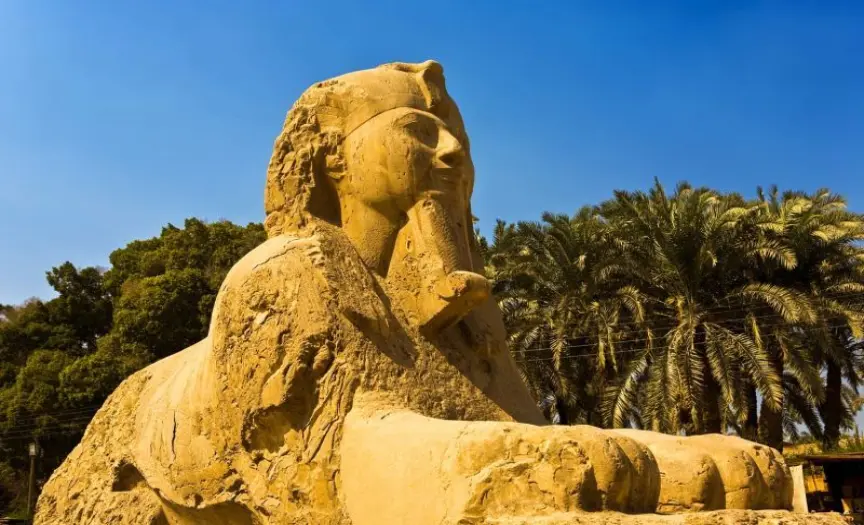
Explore the Memphis Open-Air Museum, which houses a collection of statues, sphinxes, and artifacts from the ancient city.
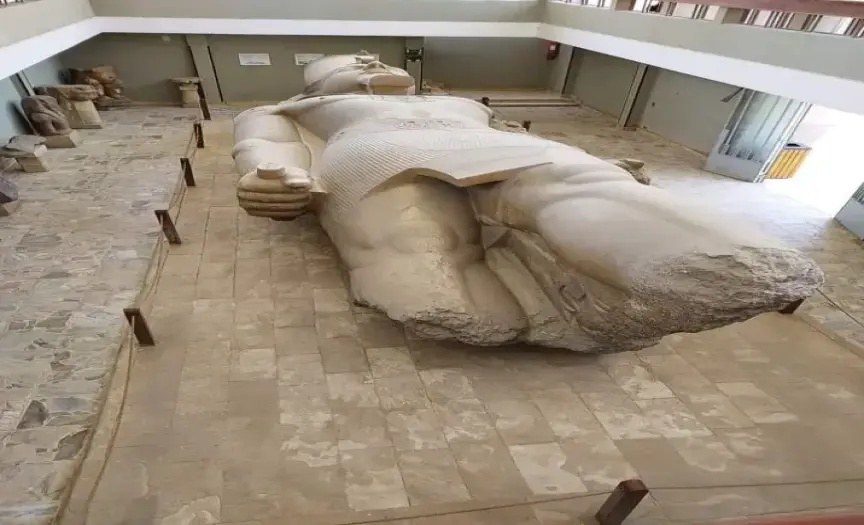
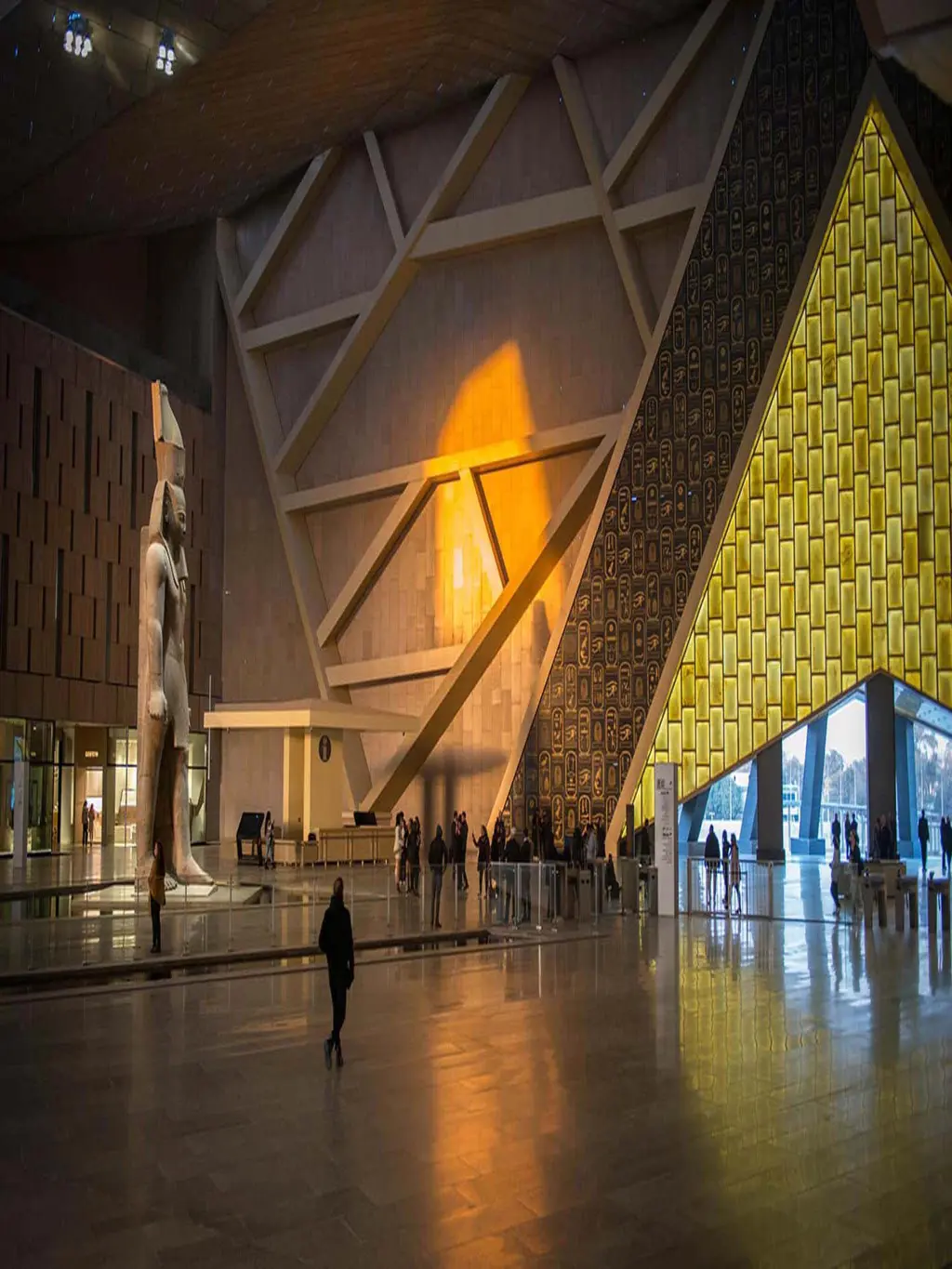
Highlights include the colossal statue of Ramses II and the Alabaster Sphinx.
Memphis was the 1st capital of ancient Egypt. The city was founded by king Menes from the 1st dynasty. It occupied a strategic position at the mouth of the Nile Delta.
The famous god Ptah was highly worshipped in Memphis. From the name of Ptah’s temple there ( hit- ka- Ptah ), the Greek name of Egypt ( Aigyptos ) ( Ai- gy- ptos ) was derived.
In Memphis, the first united government of Egypt was established in 2925 BC, under the authority of king Menes, the 1st king of upper and lower Egypt.
Memphis is the Greek name of the Egyptian name ( min – nfr ), today is called Mit Rahina.
In this tour, you will visit the open-air museum of Memphis, which amongst other artifacts exhibits a colossus of Ramses II.
Mit Rahina Archaeological Site:
Visit the archaeological site of Mit Rahina, which includes the remains of the ancient city of Memphis.
Explore the archaeological pits and learn about the history of Memphis through the displayed artifacts.
After That, Head to Dahshur, located south of Cairo. The drive takes approximately 30-45 minutes.
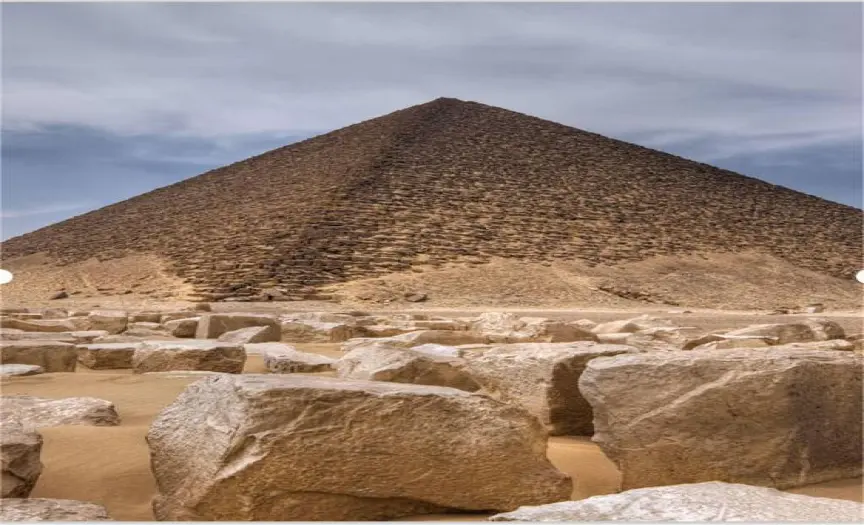
Dahshour is about 40 km south of Cairo on the west bank of the Nile. Dahshour is famous for (by) the Bent Pyramid and the Red Pyramid which were constructed by King Senfru ( 2613- 2589 BC ), the father of Khufu ( Cheops).
There is also a pyramid was built by Amenmehat II ( 1929 – 1895 BC ), the 12th dynasty, which is now badly damaged. Several tombs of royal women were built there as well.
King Senusert III built two pyramids there. The Black Pyramid was built by King Amenmehat III, it remains the most imposing monument at the site after the two Senfru pyramids. Several other pyramids of the 13th dynasty were built at Dahshour.

 From: $50
 44
44